The Women's Land Army in WW I
Women's Land Army: Heroes of Harvest and more.
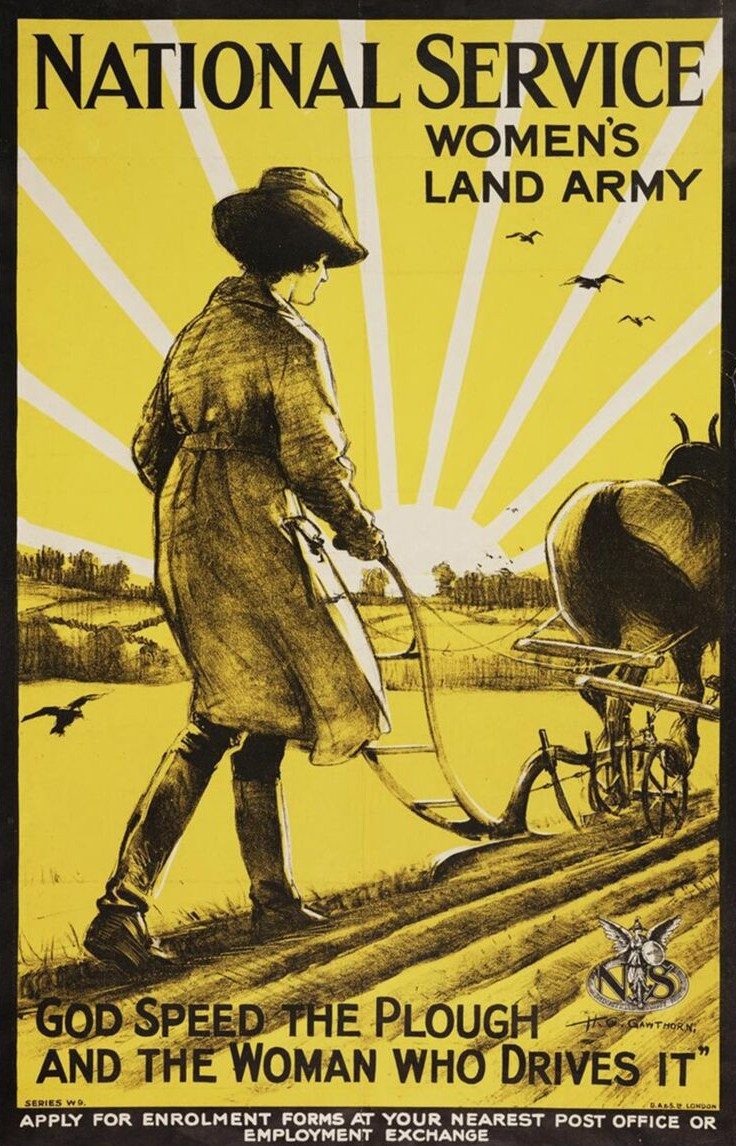
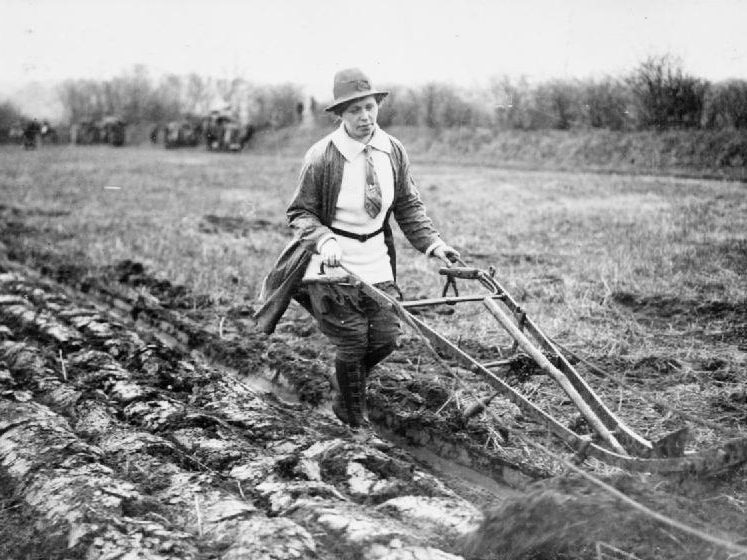
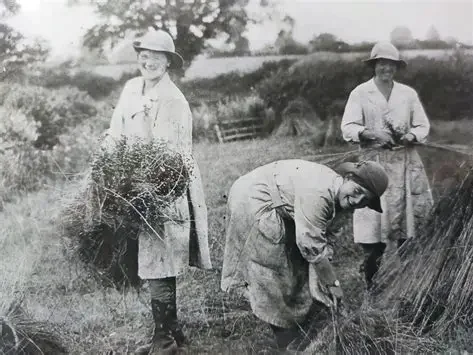
The Women's Land Army (WLA) was effectively formed in April 1917, during a critical period of World War I when food production was paramount to sustaining the British war effort. The organisation sought to recruit women to work on farms, replacing the male workforce that had been conscripted into military service.
However, the implementation of the WLA was marked by an uneven response across the country, with some regions embracing the initiative wholeheartedly while others exhibited a lack of enthusiasm or support.
Despite these challenges, the WLA played a significant role in bolstering food production during the war, continuing its efforts until its disbandment in November 1919. The legacy of the WLA remains a testament to the crucial contributions of women during this tumultuous period in British history.
The Women's Land Army in World War II
Women at War: Courageous Contributions of the WLA
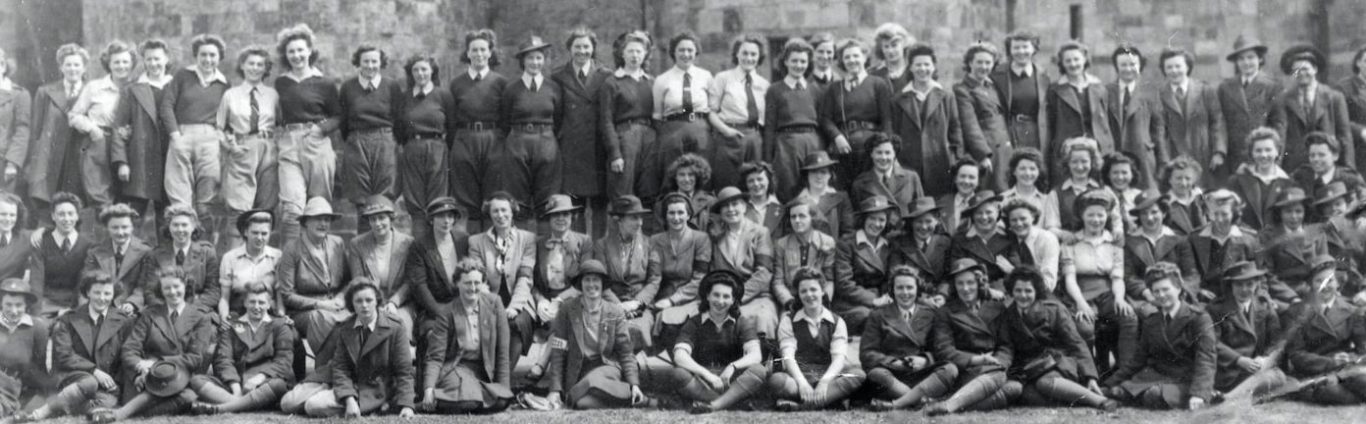
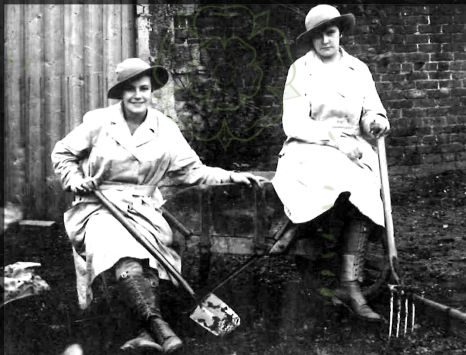
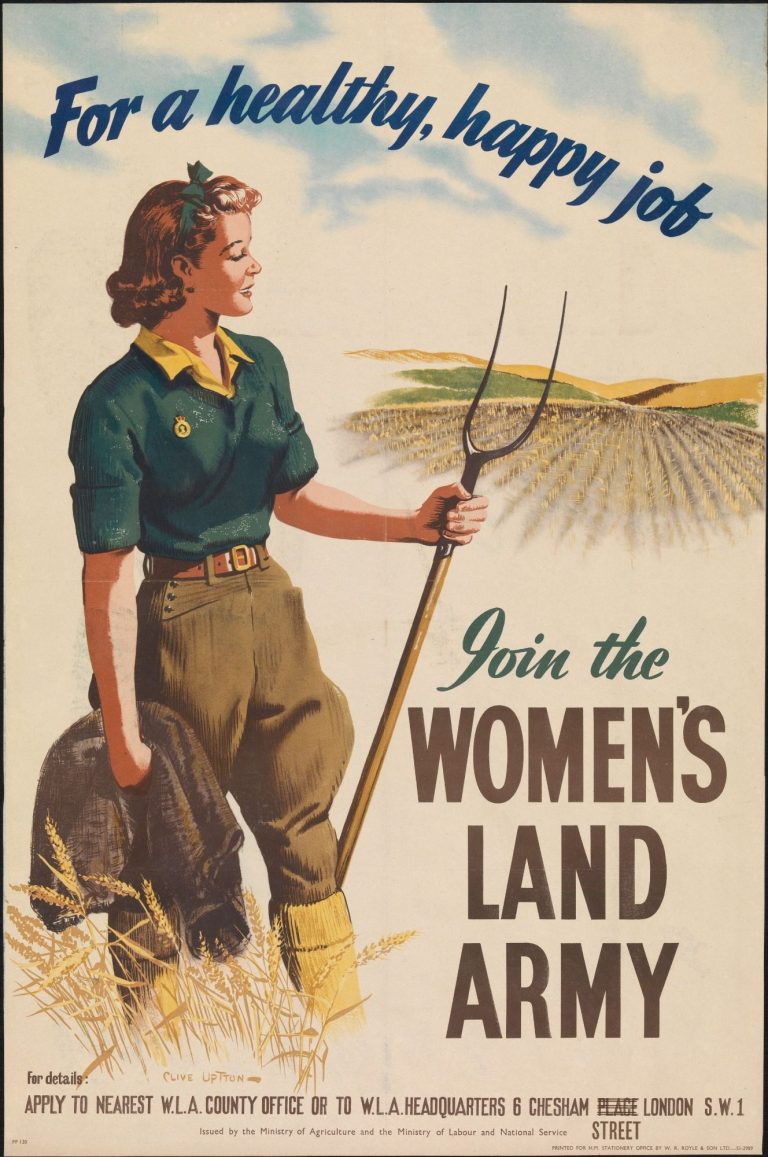
The Women's Land Army (WLA) played a crucial role during World War II in Britain, contributing significantly to the agricultural workforce. With a large portion of the male population enlisted in the military, women were encouraged to work on the land. Planning began in 1938 and the WLA was re-established in 1939 to address the labour shortages on farms and ensure food production continued unabated.
Women from various backgrounds joined the organisation, learning the new skills essential to supporting the war effort. Members of the WLA undertook a range of agricultural tasks, planting and harvesting crops, caring for livestock and much more. Their work was vital not only for sustaining the nation’s food supply and in doing so, boosting morale on the home front. The initiative empowered women, allowing them to take on roles traditionally held by men while fostering a sense of unity and purpose during a time of uncertainty. The WLA's contributions were recognised and celebrated, as they became an integral part of the wartime economy.
At its peak in 1944, 80,000 women were serving. By the time the WLA was disbanded in 1950, over 200,000 women had served their country. Their efforts helped transform perceptions of women’s capabilities in the workforce. The legacy of the Women’s Land Army extended beyond the war, as it laid the groundwork for future generations to fearlessly enter any career.
Ultimately, the WLA exemplified the resilience and determination of women during one of history's darkest hours.
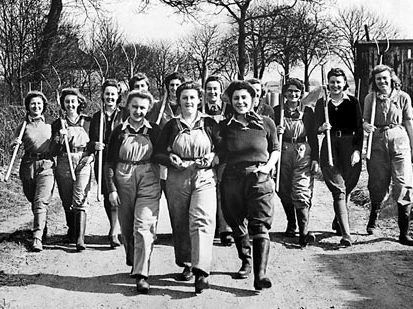
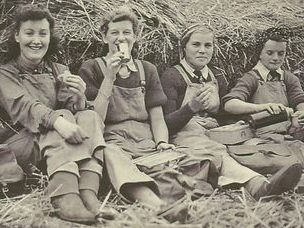
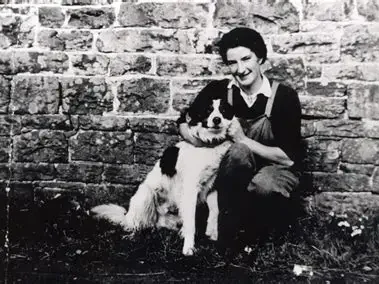
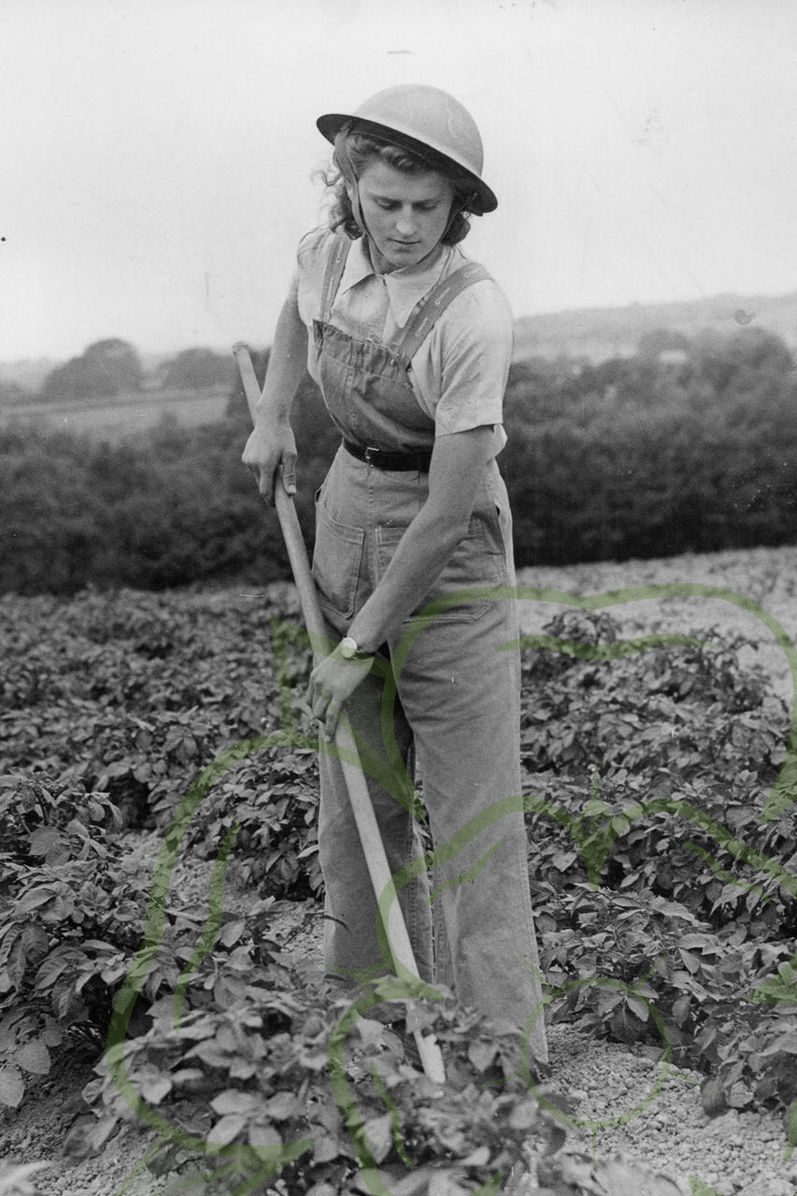
The legacy of women during World War II, particularly within the Women’s Land Army (WLA), stands as a testament to resilience and empowerment. As these women took to the fields, farms and forests, playing a crucial role in food production during a time of national crisis, they not only contributed to the war effort but also paved the way for future generations of women to pursue opportunities beyond traditional roles. Their determination and strength in the face of adversity have left an indelible mark on women's rights and representation in various sectors.
The WLA’s impact can be seen today in the broader context of women’s empowerment. By stepping into roles typically reserved for men, these pioneering women shattered societal norms and expectations. Their legacy continues to inspire women to challenge barriers, pursue careers in agriculture and other professions, and seek leadership positions. The collective efforts of those in the WLA have fostered a culture of recognition and respect for women’s contributions in all realms, showcasing that their capabilities extend far beyond the domestic sphere.
In essence, the legacy of the Women’s Land Army is one of courage, community, and trailblazing spirit. It serves as a profound reminder to subsequent generations of women that they can achieve greatness in any domain they choose. The empowerment garnered from their experiences resonates today, encouraging ongoing conversations about equality, opportunity, and the essential roles women play in shaping the future of society.
Legacy